
Metora
What is it?
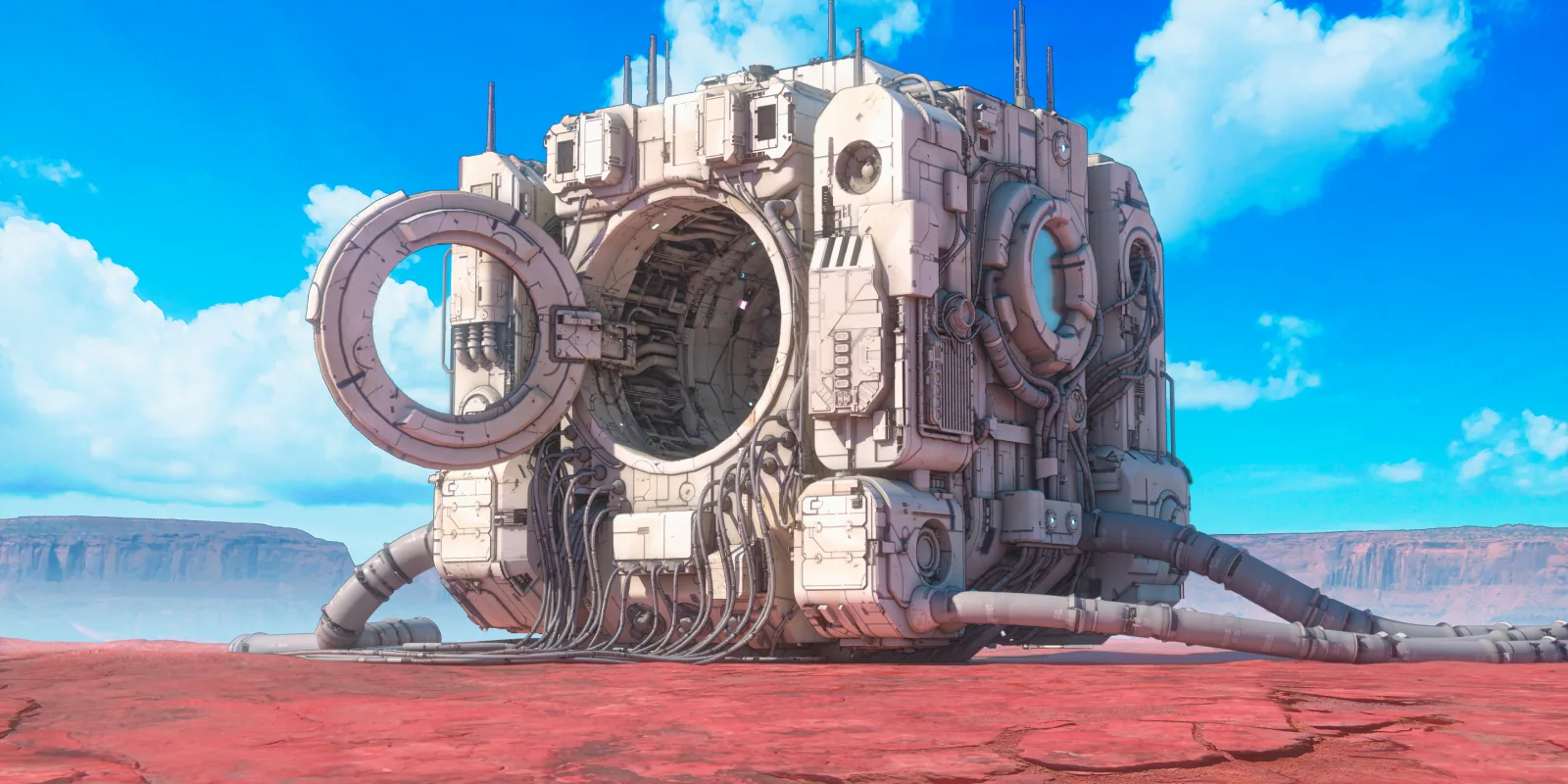
Metora is a massive resurrection machine, standing alone in the center of a flat, shallow red lake. The water is calm and still, an eerie quiet that surrounds those who return.
When someone dies, their signal is drawn back to Metora. The machine begins reconstructing their physical form, based on data scattered through the system. Multiple bodies can be respawned at once, depending on how many lives were lost.
At no point is anyone clothed. They emerge naked, dazed, and vulnerable, cast directly into the red lake. Some awaken immediately, others remain unconscious until approached. No guidance is offered.
Metora does not erase memory, but it cannot always retrieve everything. What returns is partial and fragmented, leaving the reborn in a state of confusion. They sense something missing… but not what.
Why is it there?
The true origin of Metora is unknown. Some whisper that it was left behind by a forgotten people to preserve life in an unstable world. Others believe it was a relic meant for a noble purpose, now hijacked by the very system it was supposed to protect against.
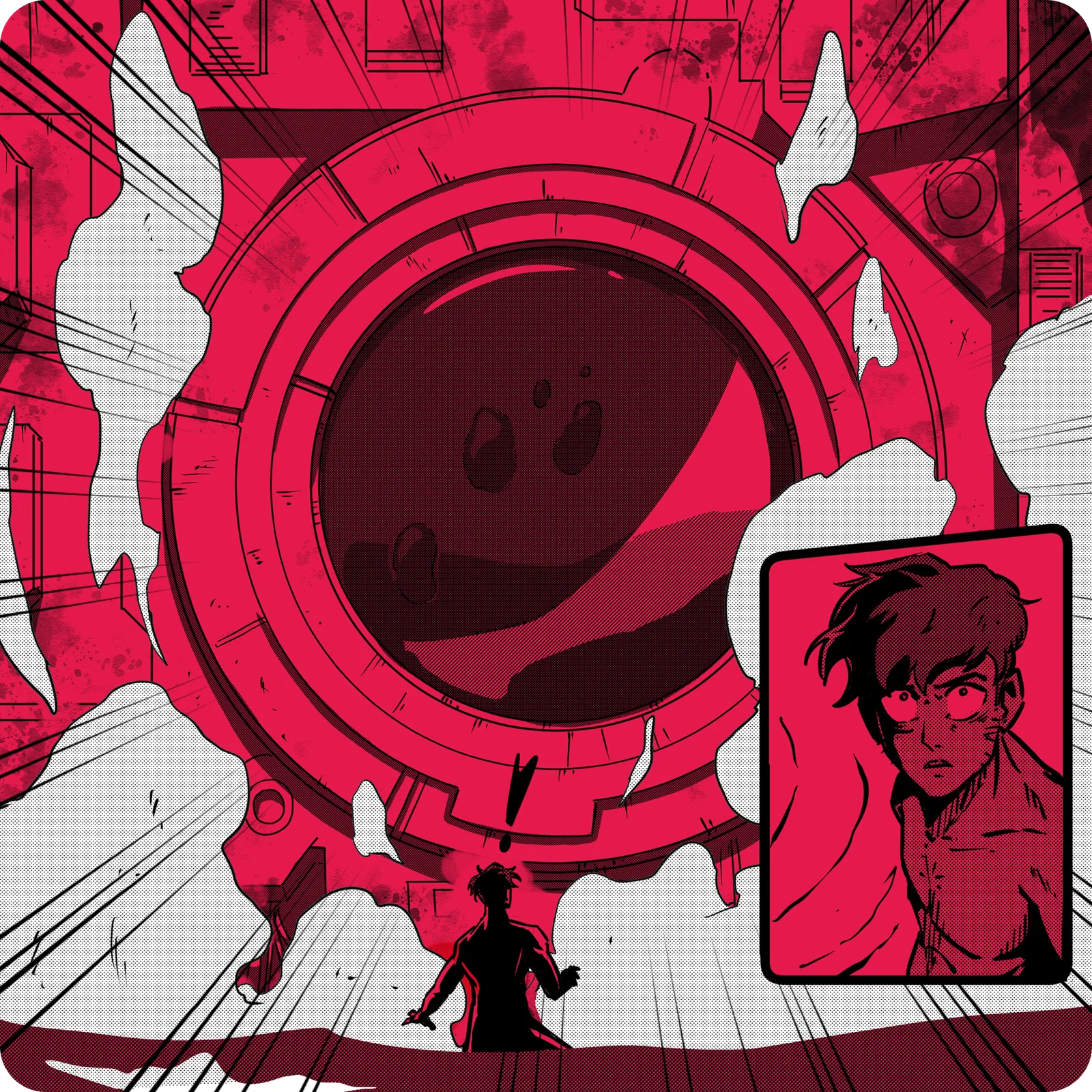
But in its current state, Metora has become a systemic loop: a place where death is not the end, but a reset. A reset with no reflection. No growth. Just return. And that is the tragedy.
Unlike traditional respawn systems in video games, where you come back and continue where you left off, Metora does not honor your past. It sends you back to the start without context, surrounded by a world that treats you as replaceable. Each return is a different experience. The passage of time, interference from others, or even memory corruption can alter how you come back, and who you come back as.
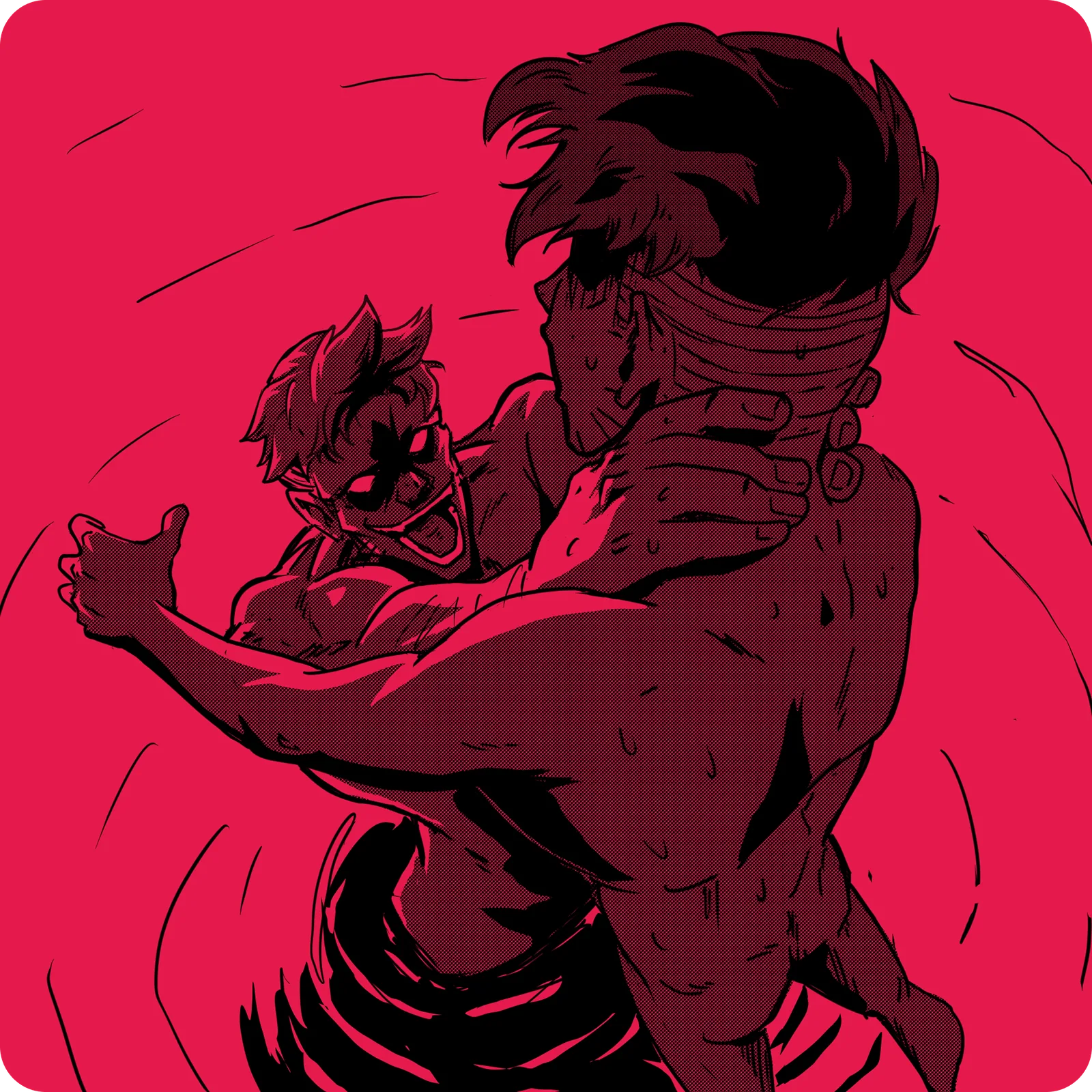
For those trapped in Keshuma, death is not an escape. It’s a cycle of near-eternal return. And if you’re unable to grow, if you're stuck repeating the same patterns, the same fate, with no access to your past, then the loop becomes something far worse than death. It becomes a form of living purgatory.
Metora embodies this tension: Hope for rebirth. Fear of growth. The uncertainty of what you’ve lost.
Metora was created to reframe how we think about respawning in storytelling. In most games or stories, dying and returning is treated as a simple mechanic. You come back instantly, ready to try again, and the world moves on as if nothing happened. That never felt true to the heart of Final Bosu, which is about growth through struggle. We were interested in rebirth as a dramatic and emotional turning point. Drama, used intentionally, makes systems feel more real: it gives weight to a moment and lets us reflect on life in ways logic alone can’t. Metora became that space: a place where something serious happens, even if it looks quiet from the outside. We designed Metora to feel disorienting and sterile, because in this world, coming back is uncertain. You return without context, without a clear grip on who you were. Sometimes the memory fragments are there, sometimes not. And each time this happens, you may end up further away from yourself than before. That’s why the resurrection cycle can feel like a trap: nothing changes. Or worse, you slowly start losing what little you had left. From a creator’s perspective, Metora exists to support that idea. It creates space for stories that explore identity loss, memory recovery, emotional repetition, and the difficulty of real transformation. It’s a controlled fracture point. A place where things could begin again… but only if something inside refuses to stay lost.
Comments