
Hieroglyphs
What is it?
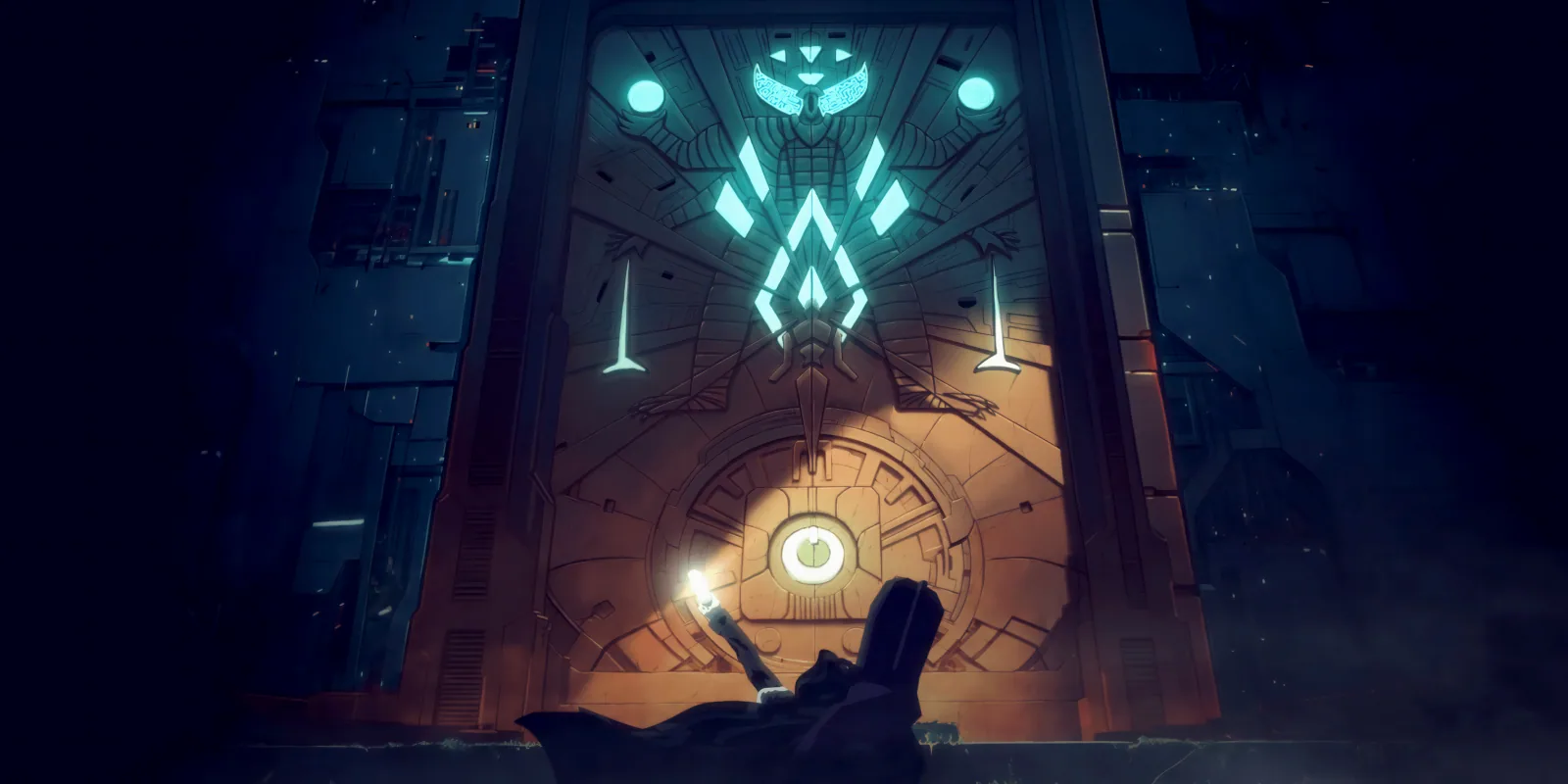
Hieroglyphs are ancient, undeciphered symbols found deep within the Hidden Legacy Catacombs, a secret network built inside the walls of Keshuma City. These markings are carved into old stone, etched into metal surfaces, and scattered across collapsed corridors that don’t appear on any official city schematics.
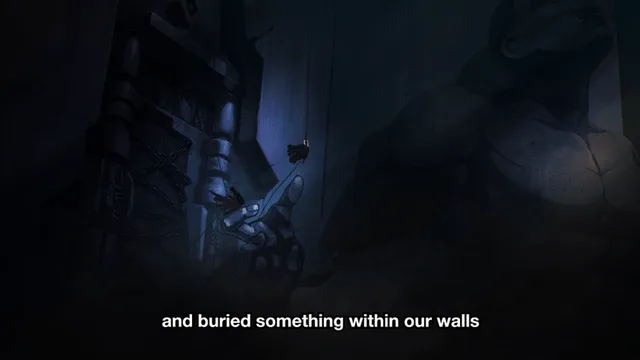
They do not match any known writing system. Some resemble glitched-out code fragments, others feel ritualistic or symbolic, like they were meant to trigger something, not just be read. The symbols often appear in mirrored patterns, repeating loops, or fractured sequences, suggesting an encrypted or multi-layered logic.
To this day, no complete translation exists. Every attempt has hit a wall.
Why is it there?
Many believe these hieroglyphs predate modern Keshuma, possibly originating from the Legacy Bosu era, or even from a system that existed before the city was fully formed. Some theories suggest they were left behind by the original architects of the world, people who understood growth, memory, and identity in ways that are now buried or forbidden.
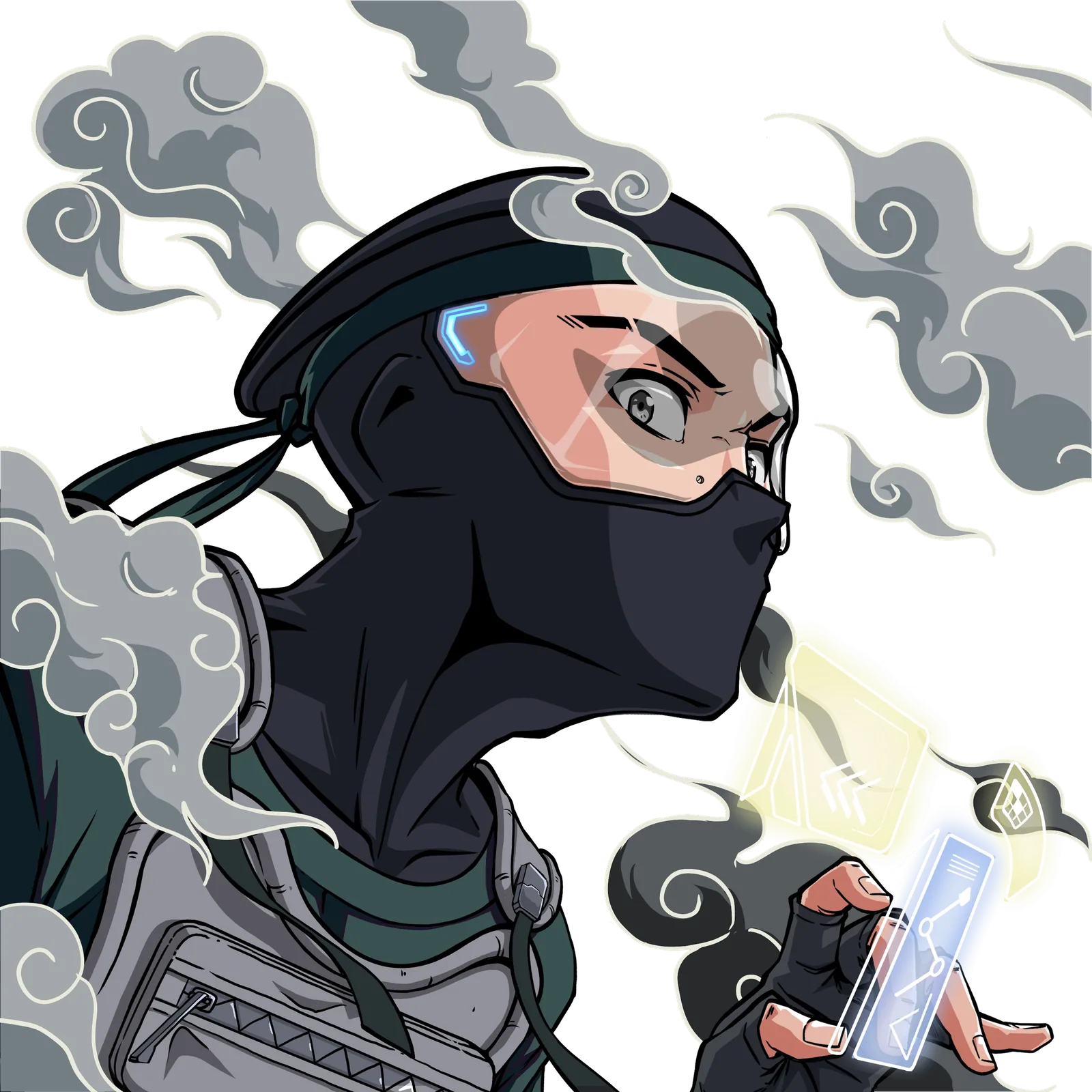
The Kodaka, especially those in deep-system recovery roles, have long searched for fragments of these symbols, often risking detection to uncover their meaning. A few claim that the hieroglyphs contain activation sequences, system backdoors, or instructions for reaching places that officially don’t exist.
Meanwhile, the Kaichukan deny their existence entirely. Any unauthorized discovery is quietly covered up or reassigned under unrelated labels. Internally, there are whispers that certain officers are tasked with actively sealing or erasing these symbols, not out of malice, but out of fear. Because if the symbols really do connect to something hidden in the system, it’s something the city may not be able to contain.

Access to the catacombs is strictly off-limits. But for those who find their way in, the hieroglyphs present a question: what are they trying to tell us? And why were they buried?
I’ve always been fascinated by ancient civilizations, especially places like Ancient Egypt. When you look at what they achieved (the structures they built, the systems they used, their alignment with stars and measurements), it’s hard not to feel like they understood something deeper than we give them credit for. Tombs, forgotten symbols, the Rosetta Stone… There’s something thrilling about it all. The mystery. The way a small discovery can shift our entire understanding of the past. What often stands out to me is how many mainstream conclusions about ancient history start to fall apart when you put them next to newer discoveries. There are details (alignments, materials, methods) that don’t quite fit the narratives we’ve been told. It starts to feel like we’ve either lost a huge part of who we were, or that history is being rewritten for us. That feeling (of digging for something real, something hidden) was a major influence behind the Hieroglyphs in Final Bosu. These symbols inside the walls of Keshuma are part of a forgotten language, a quiet resistance against forgetting. For me, looking into ancient history is a way to understand ourselves. Where we came from, and what we might have lost along the way. Digging into our past feels like digging towards the truth: learning more about humanity and where we came from. It’s another journey leading towards understanding who we truly are.

Comments