
Artifact & Suitcases
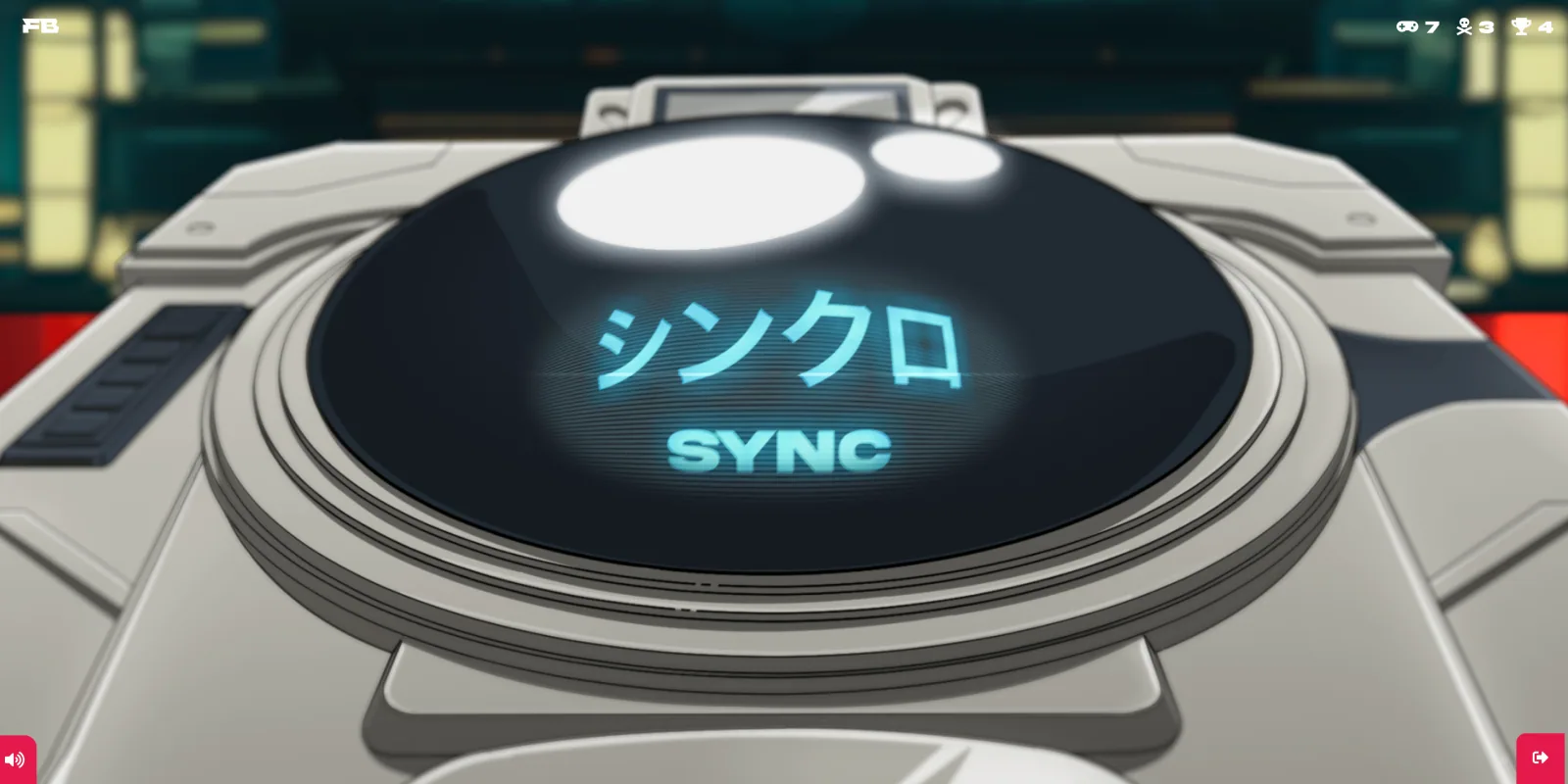
What’s the Artefact?
The Artefact feels almost alive, its presence radiating a quiet, unsettling intelligence. No one knows its origin or the era it belongs to, only that it bears a design unlike anything else in Keshuma: a compact, box-shaped form with strange buttons, a hand scanner, a carrying handle, an LCD-like display, and at its heart… a glass dome that glows to life at a single touch.
What happens next depends on the one who dares to activate it. Some are instantly rejected: their heads explode. Others are pulled inside, their bodies curled in a fetal position as if asleep, suspended in a silent incubation. From the outside, it looks like a bond is being formed: something deep and irreversible.
When the process ends, the user is ejected back into the world, but they’re changed. In their hands rests a suitcase. This isn’t just an object; it’s a living extension of them. It is linked to their DNA, carrying a power that can grow with them… a weapon. In the battles to come, it may be the only thing capable of standing against their Final Bosu.
Why is it there?
Its purpose is as mysterious as its design. Whispers claim the Legacy Bosu left it behind. An inheritance meant to arm worthy individuals with something no system could control. To those in power, the Artefact is dangerous, unpredictable… a threat to the fragile balance of Keshuma.
But to those who seek it, it is hope made tangible, a forbidden key to growth, memory, and identity in a world built to keep all three in check.
Suitcases
What is it?
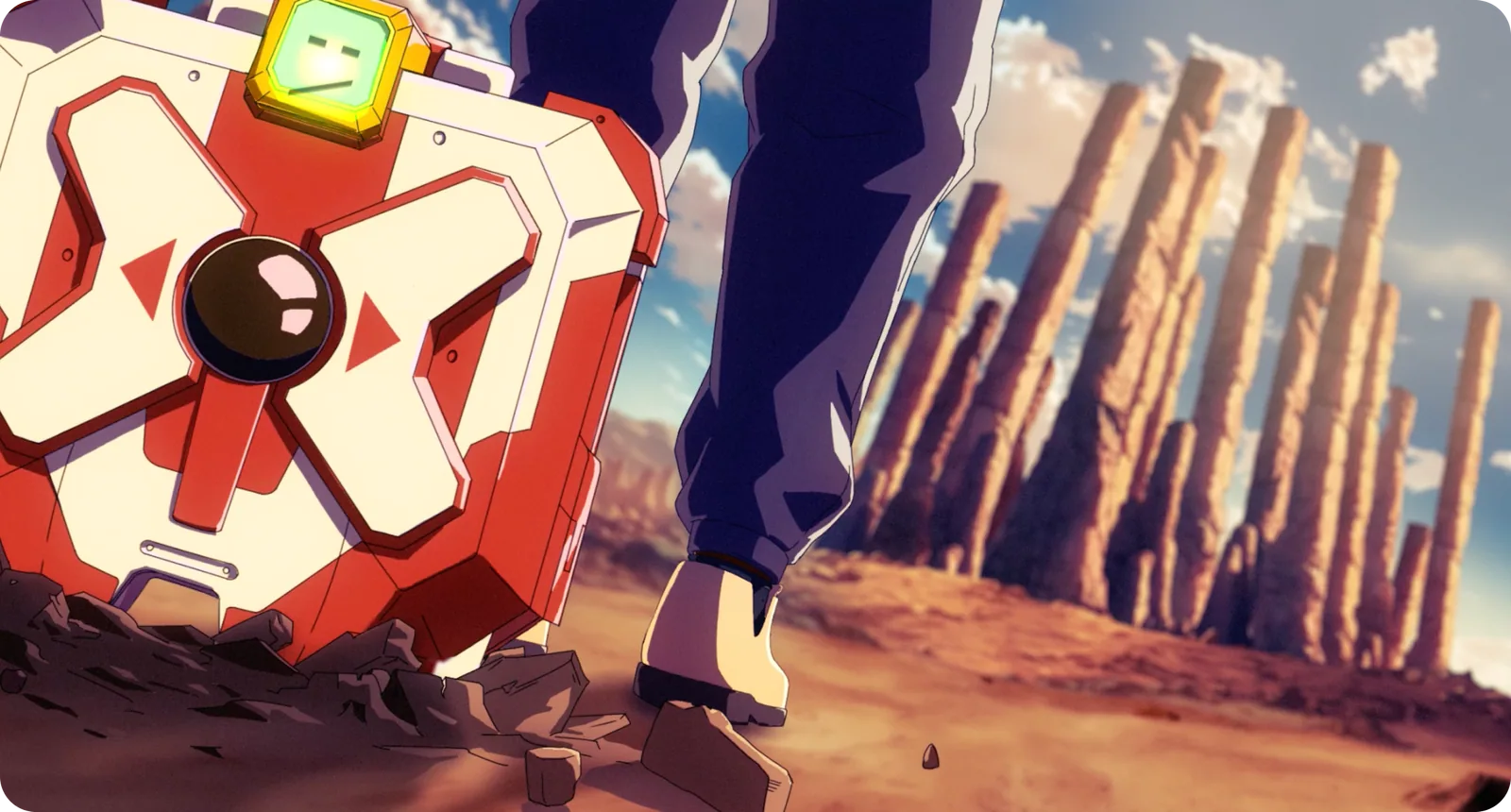
A suitcase is born the moment a person survives contact with the Artefact in the Hidden Legacy Catacombs. The Artefact incubates the user, bonds with them, and ejects them with a suitcase that is uniquely theirs. No two are alike.
Each suitcase adapts to its owner’s growth path and DNA, its form reflecting the individual’s personality and needs. From sleek briefcases to rugged backpacks, guitar cases, or even coffin-shaped carriers, their designs are as varied as the people who wield them. These appearances are not cosmetic. They are integral to the suitcase’s function and power.
Every suitcase carries three key traits:
- DNA Sync: Determines worthiness and unlocks the suitcase’s full potential.
- Unique Design: Tied to the user’s identity, both in look and purpose.
- Power Enhancement: Amplifies the user’s natural strengths, giving them the edge needed to confront their Final Bosu.
Beyond their physical form, suitcases store memory backups and can return those memories after death, making them one of the rare tools capable of defying the city’s natural cycle of forgetting. A suitcase’s true power activates the moment the bearer opens it, forging an unbreakable bond.
Why is it there?
Its origin is tied to the same mystery as the Artefact. Many believe the Legacy Bosu left these devices as tools for those willing to walk the path of growth. They were never meant for the untested. Only those who survive the Artefact’s trial can carry one.
To the system of Keshuma City, suitcases are dangerous. They preserve memory outside official control, allowing individuals to grow beyond sanctioned limits. A single suitcase in the wrong hands could destabilize the careful balance the city works to maintain.
To the bearer, however, it is more than a tool. It is a part of them, an extension of their identity, proof of survival, and a weapon against the impossible.
The suitcase came from a simple but powerful metaphor: we all carry baggage. In life, that baggage can be emotional or even physical, and it shapes how we move through the world, for better or worse. In Final Bosu, we wanted to turn that metaphor into something tangible, something a character could literally hold and open when the moment demanded it. We didn’t want the usual video game respawn where you jump back in like nothing happened. Growth is a core theme in our world, and we wanted the items tied to that growth to feel earned, almost sacred. The suitcase became that vessel. Its form changes to match the individual, as a reflection of identity. A guitarist might carry their suitcase as a weathered guitar case. A strategist might have a sleek metal briefcase. Someone darker might drag a coffin-shaped container behind them. It’s a mirror. The memory storage aspect was essential. In a world where memory is fragile and easily lost, a suitcase becomes a rebellion against forgetting. It preserves pieces of who you are, so you can carry them forward. We also loved the dramatic possibilities. Opening the suitcase in battle means revealing a part of yourself you’ve kept locked away, and unleashing it when you need it most. That’s drama, and that’s growth.
Comments